

- test: test
The GSMA has announced a new initiative promoting the role of women in the mobile industry – particularly within emerging markets - as part of the Clinton Global Initiative Commitment to Action.


The GSMA has announced a new initiative promoting the role of women in the mobile industry – particularly within emerging markets - as part of the Clinton Global Initiative Commitment to Action.
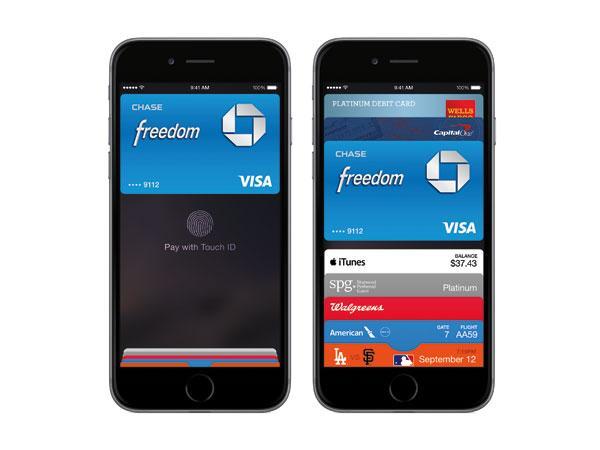
The iPhone is the perennially popular handset, in demand across the world. It is seen as the standard by which the luxury smartphone market is measured, but since the release of the iPhone 5 in 2012 the iPhone’s star has perhaps fallen slightly, with each new iteration being criticised for a lack of true innovation.
One week the axe falls on Nokia Asha and X lines. Two weeks later it unveils the Nokia 130 for ‘first-time buyers’. Where is Microsoft Devices heading in emerging markets?

After much hype and speculation, Amazon have revealed their new smart device, known as the Amazon Fire Phone.

On average, global data growth is doubling roughly every two years. The introduction of LTE has almost doubled data usage; it provides a higher bandwidth and therefore a typically better user experience.

Tata Communications and Orange International Carriers have announced an agreement to interconnect their respective IPX (IP-Exchange) communities for voice over IPX and Signalling Sigtran, which allows IP networks to inter-work with the public switched telephone network.

Nokia registered a 30% drop in sales of mobile devices in the first quarter of 2014, with the group’s revenue down €0.5 billion compared to last year’s €3.1 billion.


The changing dynamic between operator services and OTT providers is a fascinating one. It is constantly evolving as the industry presses forward, and while the popularity of OTT – and the threat that this poses to operators – is undeniable, the answers are not quite so obvious.

Low-cost rural internet could soon become widespread across Africa and the Middle East following an infrastructure sharing agreement between eight major operator groups.

You can build your brand for years, investing in your network, value added services and advanced customer service tools. Then, one day, you realise a young upstart company is taking your subscriber base away from you with the promise of slashed prices.

The hottest ticket at Mobile World Congress 2014 was without doubt Facebook founder Mark Zuckerberg's session.

With the appetite for smartphones growing all the time in emerging markets, the field could be shaken up by Mozilla’s announcement of a low-cost device aimed at these regions.

With 5.2 billion of the world’s 6.8 billion mobile subscribers in the developing world, handset manufacturers and developers such as Nokia, Ericsson, Facebook and Mozilla, are renewing their efforts to connect and cater to emerging market consumers.

Now that the dust has settled after Mobile World Congress, I’ve had time to collect my thoughts following on from some of the conversations I had at the show.

Gilat Satellite Networks has leveraged its extensive expertise in rural cellular backhaul to provide an affordable, end-to-end solution known as CellEdge.

2014 will be the year that operators trade gut and intuition for a new way of marketing – one that relies on big data analytics and science.

We expect to see significant growth in OTN (optical transport network) technology across all regions of the developing world, mainly because of the reliance on mobile infrastructure vs. traditional telecommunications services.

In 2014, eCommerce will finally have an impact on the buying and selling of international communications services.

In emerging markets, investments in LTE networks will continue.

Google is selling Motorola Mobility to the Chinese firm Lenovo for $2.91 billion.

A consortium of 17 prominent service providers from around the world have come together to construct a new and unique high capacity cable system, Asia Africa Europe-1 (AAE-1).

Operators are already spending billions on beefing up capacity to handle the tremendous increase in video and data traffic, but Google and Facebook are walking away with all the revenue.

The explosion of mobile data demand has triggered operators to make global investments to upgrade existing 3G networks and to build 4G infrastructure.

The World Bank has a list of 331 indicators on which they measure the 'health' of a country.

2014 will continue to be a year of 3G deployments and expansion in emerging markets, with the start of initial LTE deployments.

