


South Africa’s Telkom enters MVNO market
Mar 27, 2025

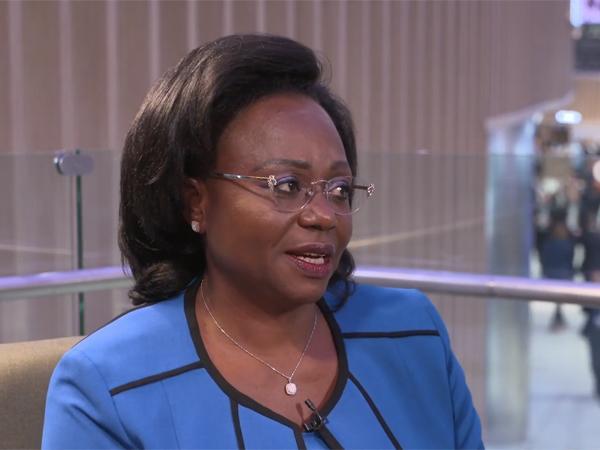
We spoke to Camtel’s CEO Judith Yah Sunday about the country’s connectivity projects and the technology it is using to execute its strategy.
Camtel has three main projects: the backbone, which is a link to all 10 regions of the country. We have about 12,000km of fibre optic linking these regions, and this backbone also links Cameroon to three African countries – Nigeria, Chad, and Central African Republic. The second project is SAIL – the South Atlantic Inter Link – that bridges Africa with Latin America. The third is the data centre.
Camtel is a state-owned company, and there is continuity in services so I wouldn’t say I’ll change the strategy – more of a continuation and follow-up of the general strategy that has been given by the state, which is ‘bringing digital economy to Cameroon in 2020”.
I think today, Camtel is placed in a very strategic position in Central Africa which gives us the opportunity – via both SAIL and the data centre – to bring connectivity to both Africa and Latin America. Most of our clients will not have to go through Europe any longer – they can go directly through America, and we will use this advantage to commercialise both the data centre and SAIL.
Huawei has been a great support to the ICT industry in Cameroon as a whole. We’ve worked hand-in-hand with Huawei for ten years – they’ve helped us develop our network. The backbone, data centre and SAIL were all implemented by Huawei so I think it’s fair to say that we’ve been supported by Huawei in a huge manner.
Secondly, our head of state spoke of alleviating poverty and unemployment, and Huawei has helped us embark on a training programme for youths in the domain of ICT. The certificate of completion for this training will help these young people find employment within Cameroon or overseas. Huawei is an asset for Cameroon.


